
Enablement fails when it feels like extra work (read friction).
Picture a rep preparing for an important customer conversation. They know there is relevant training out there, a new product-positioning update, a competitive comparison, a regional campaign brief. They want to use it.
But finding the right content means logging into a portal they rarely visit, navigating a folder structure built for administrators rather than sellers, checking which version is current, and then deciding whether the content is actually worth adapting for this specific conversation.
By the time they have completed that process, they have made a different choice: whatever they already know. Whatever is saved on their desktop. Whatever got shared in a group chat last week.
This is not laziness. It is rational behavior. Friction is the enemy of adoption, and most enablement programs introduce more of it than they realize.
The Coordination Tax
Every step a rep or partner must complete before using enablement content has a cost. Each login, search, download, adaptation, and approval is time spent not selling. Across a large field organization, particularly one that includes partner networks and global teams, that cost compounds quickly.
Enablement teams rarely see this cost directly. From headquarters, the content is available, the portal is organized, and the training has been completed. What is invisible is the daily friction experienced by the people who are expected to activate that content in front of real buyers.
Multiple logins for different systems. Outdated assets that require manual updates. Localization gaps that force reps to improvise. Approval chains that delay distribution. These are the hidden taxes that slow market entry and reduce message consistency, even when the underlying content is excellent.
The Five Friction Points
Across most enterprise enablement environments, friction concentrates in five predictable areas:
Access friction: Content lives in portals, drives, or systems that require separate credentials and navigation skills most reps have not developed because they are rarely there.
Content overload: When everything is available but nothing is curated, reps spend more time searching than selling. The most recent update competes with three previous versions and four related assets.
Lack of personalization: Generic content requires effort to adapt. Reps working in specific verticals, regions, or partner contexts need materials that speak to their situation, not a one-size-fits-all campaign brief.
Inconsistent localization: Global organizations face a particular challenge. Content created in one language and market often requires significant adaptation before it is useful elsewhere. When reps do that adaptation themselves, the results are unpredictable.
Limited visibility: Enablement teams often cannot see what is being used, by whom, and with what outcome. Without that visibility, it is difficult to identify what is working and what is creating friction.
Designing Around the Seller Workflow
Removing friction requires a fundamental design shift. Instead of focusing on building extensive content libraries where users have to search for what they need, the emphasis should move towards creating guided activation experiences. This distinction is crucial because it completely changes the starting point of the user journey. Rather than expecting users to pull information, an activation experience proactively pushes the right content to them at the right time, making the process smoother and more intuitive.
A content library is typically a repository organized around the assets enablement teams produce. This structure is logical from a content creation perspective, often categorized by format, theme, or campaign. However, it requires reps to know what they’re looking for.
Conversely, an activation experience is strategically organized around what a sales representative needs at a specific moment in their workflow, particularly when preparing for a customer interaction. This user-centric approach surfaces the most relevant content based on the context of the deal, such as the sales stage, industry, or customer pain points, making it a more efficient and effective way to equip reps.
When enablement content arrives as a personalized, shareable link, it fundamentally changes how sales teams interact with it. Instead of searching through a cluttered drive or a complex CMS, reps get exactly what they need, with contextually relevant assets like case studies, one-pagers, and slide decks embedded into a single, cohesive experience. This streamlined delivery method means the barrier to adoption drops significantly, as reps are more likely to use materials that are easy to find and share.
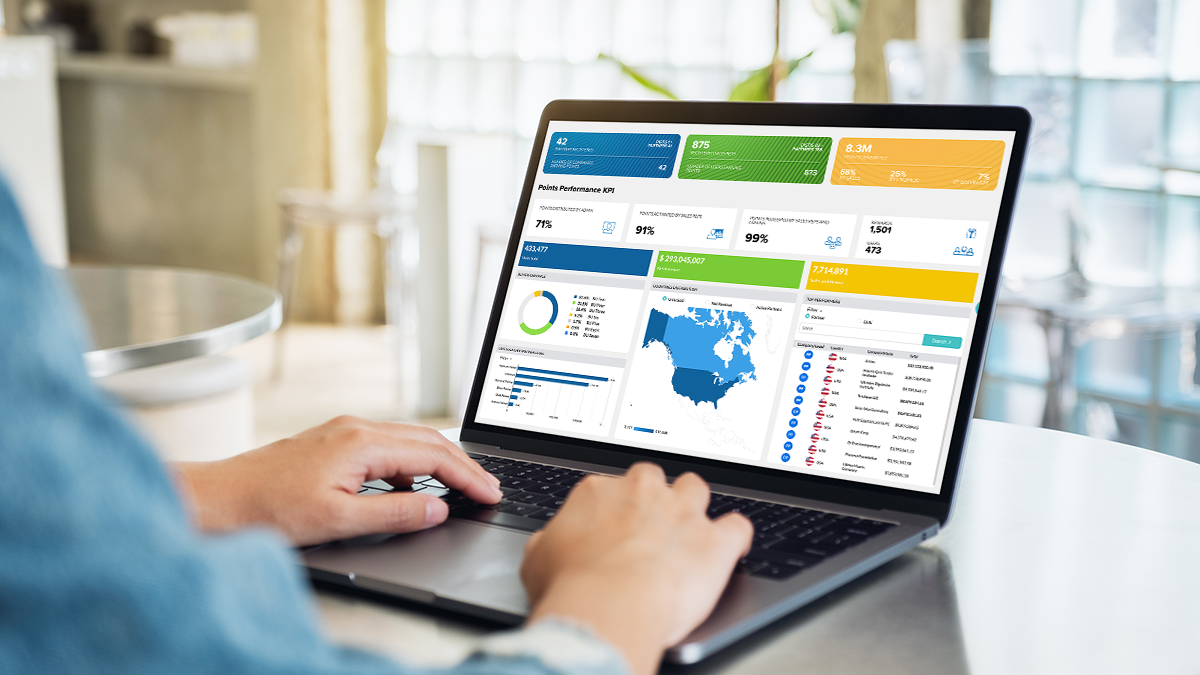
Furthermore, when dashboards provide both reps and their managers with clear visibility into how prospects are engaging with this content—not just tracking simple completion metrics like opens or downloads—the feedback loop finally closes. This shift from passive tracking to active engagement analysis allows teams to understand what resonates with buyers, refine their strategies, and coach more effectively based on real-world data.
The question for enablement leaders is not just ‘is this content good?’ It is ‘how much effort does it take to use it?’ If the answer involves multiple steps, separate logins, and manual adaptation, the content will consistently lose to the path of least resistance.
Key Takeaway
To boost partner enablement adoption, focus on reducing friction and enforcing a clear structure, while leveraging AI for personalized content. After all, the most effective campaigns are the ones partners actually use. Design your enablement strategy around the partner seller’s workflow, not your organization’s partner portal folder system.
Remember to follow Optime on LinkedIn and follow our LinkedIn groups for the latest advances in Rewards, Rebates, MDF, and Partner Demand Automation.