
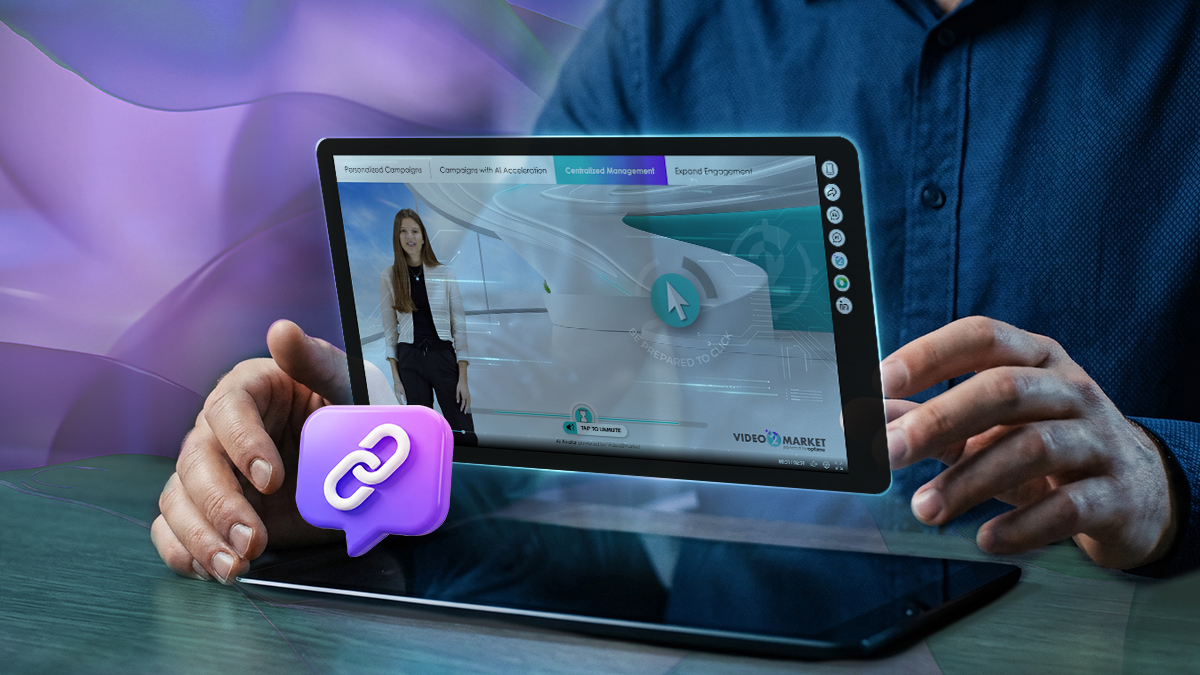
Traditional Learning Management Systems (LMS) were built for compliance and passive video streaming—not for driving revenue readiness across complex channel ecosystems. For enterprise technology brands managing distributed partner networks, legacy LMS platforms routinely struggle with low completion rates, static content decay, and a lack of real-world skills application.
Interactive AI Video Learning Experiences represent a fundamental shift in partner enablement. By replacing static video playlists and multiple-choice quizzes with adaptive content, real-time AI roleplay, and in-video interactive touchpoints, AI-driven platforms turn passive viewers into active participants.
The Limits of Legacy LMS Platforms
For years, channel leaders have relied on legacy LMS tools to onboard and certify partners, but static architectures create structural bottlenecks:
- Passive “Click-Through” Behavior: Traditional platforms rely on long linear videos and basic multiple-choice quizzes. Reps quickly learn to skip through videos to reach the test, yielding high completion numbers but negligible knowledge retention.
- One-Size-Fits-All Content: Legacy systems deliver identical learning paths regardless of a partner’s technical tier, vertical focus, or geographic market.
- High Maintenance Overhead: Updating a 20-minute video training module requires full re-shooting and re-editing, causing training materials to fall behind rapid product releases.
- Disconnected Readiness Metrics: Traditional platforms measure vanity metrics—such as hours logged or pass/fail rates—rather than true sales readiness or pipeline influence.
The Three Pillars of Interactive AI Video Learning
1. Dynamic Interactivity over Passive Viewing
Instead of passively watching a presentation, partners interact with embedded decision points every 60–90 seconds. Viewers choose how to respond to a simulated buyer scenario, triggering dynamic video branches that reveal the real-world outcome of their pitch choice.
2. Adaptive Personalization at Scale
AI engines evaluate partner responses in real time. If a partner struggles with pricing objections, the platform automatically routes them to a targeted 45-second AI avatar refresher module before continuing the scenario.
3. Real-Time Practice with AI Roleplay
Using generative video and natural language processing, interactive AI platforms allow reps to practice pitch scenarios verbally with AI avatars. Reps receive immediate feedback on pacing, messaging accuracy, and objection handling before speaking to actual prospects.
Key Capabilities to Evaluate
When assessing interactive AI video platforms for your channel enablement stack, evaluate four core operational capabilities:
- PRM & CRM Integration: Sync engagement, completion, and certification data directly into platforms like Salesforce or HubSpot to measure pipeline impact.
- Multi-Language Scale: Leverage multi-language AI lip-sync and automated subtitling to train global partner networks simultaneously.
- In-Video Data Capture: Embed lead forms, survey questions, and interactive downloads directly inside the video player without kicking users out to external pages.
- Granular Engagement Analytics: Track drop-off points by specific video frame, response choice, and partner organization level.
Business Impact & Practical Use Cases
Transitioning from a passive LMS to interactive AI video learning delivers tangible performance improvements:
- Higher Completion Rates: In-stream interaction breaks up video fatigue, keeping reps actively engaged.
- Faster Onboarding Sprints: New partner reps reach pitch readiness faster by practicing with AI simulations rather than waiting for live instructor availability.
- Stronger Messaging Retention: Decision-based learning forces active retrieval, resulting in sharper objection handling during live sales cycles.
Leave a Reply